Careers
8 Jun 2026
National Carers Week 2026
What It Really Means to Build a Carer-Friendly Community
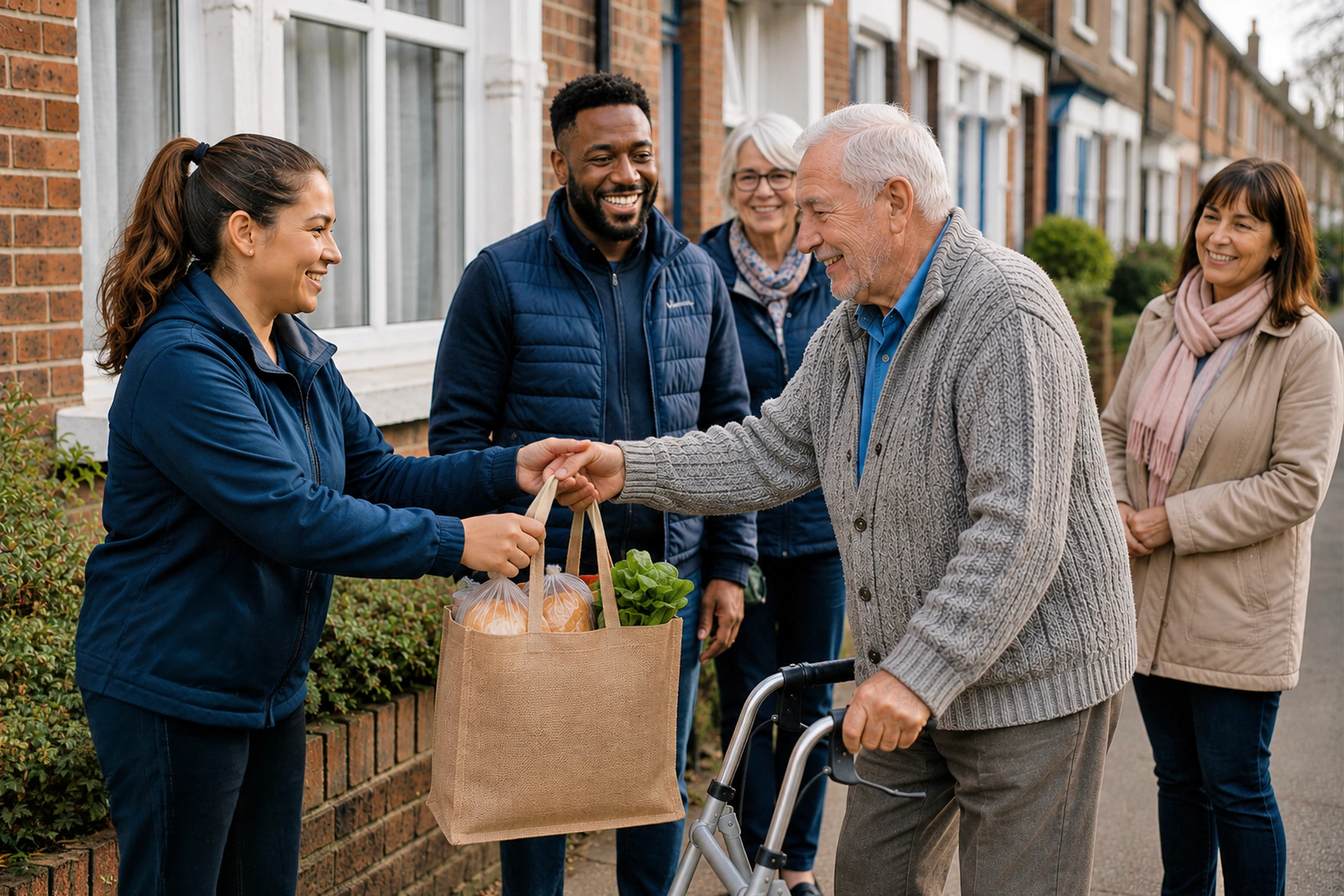
Every year, National Carers Week shines a light on the millions of people across the UK who give so much of themselves to support someone they love. This year's theme - Building Carer Friendly Communities - feels particularly timely. Because while the conversation around unpaid caring has grown louder, the day-to-day reality for families remains quietly, relentlessly hard.
We're talking about the husband who hasn't slept a full night in months. The mum who's reorganised her entire life, her job, her friendships, her sense of herself - around her child's care needs. The adult daughter who drove two hours every weekend for years before finally admitting she couldn't keep doing it alone.
These aren't edge cases. They're the norm. And they rarely make it into the statistics.
The scale of it
The numbers, when you look at them, are staggering. There are an estimated 5.8 million unpaid carers across the UK — and research from the Centre for Care found that over the period 2010–2020, more than 4 million people became unpaid carers every year. (Source: Carers UK, Facts About Carers, March 2025)
The impact on those carers is significant and well documented. The Carers UK State of Caring 2025 survey found that 42% of carers said their physical health has suffered because of caring, and nearly half — 49% — said they had cut back on essentials such as food, heating, clothing and transport. Separate research found that 43% of current or former carers have seen a mental or physical health condition develop or worsen since taking on caring responsibilities. (Sources: Carers UK State of Caring 2025; House of Commons Library, 2025)
And yet the caring continues. Analysis of YouGov polling found that 62% of current and former unpaid carers said they had no choice but to take on their caring role — the equivalent of 10 million adult unpaid carers across the UK. (Source: Carers Week 2024 Report, Carers UK)
These aren't statistics about strangers. This is the reality for millions of families right now - quietly, behind closed doors, doing what needs to be done.
What "carer friendly" actually looks like
Building carer-friendly communities isn't just about awareness campaigns or helpline numbers, important as those are. It's about the structures, the services, the attitudes and the everyday choices that either make a carer's life a little easier - or a little harder.
A carer-friendly workplace offers flexibility without penalty. A carer-friendly GP surgery asks not just "how is your loved one?" but "how are you?" A carer-friendly community has the services, networks and human connections that mean no one is doing it entirely alone.
And a carer-friendly approach to home care - the kind that families sometimes come to after years of managing without - looks like more than just clinical competence. It looks like a team that genuinely gets to know the person they're supporting. That turns up consistently, that communicates well, that treats a family's home as exactly that: a home, not a care setting.
It's the difference between support that props a family up, and support that gives something back to them.
The dynamics that go missing
When someone becomes a full-time carer for a person they love, something often shifts in the relationship itself. The husband and wife become patient and carer. The parent-child dynamic can blur in both directions — parents caring for children with complex needs, adult children caring for ageing parents, and all the complicated emotions that come with each. The friendship, the laughter, the ordinary friction and warmth of family life — it doesn't disappear, but it gets buried. Under clinical schedules, under exhaustion, under the low-grade anxiety that never quite switches off.
What we hear, repeatedly, is that what families want most isn't just good care delivered to their loved one. It's to be a family again. To have the person they love supported well enough that they can step out of the carer role, even briefly. To be a husband or wife, a parent or a child — not a coordinator, not a night-shift nurse, not the person who has to hold everything together because there is no one else.
To have a Sunday afternoon that feels like a Sunday afternoon.
That sounds simple. For many families, it has felt entirely out of reach.
The moment things change
There is often a moment - families describe it in different ways - when something shifts. When the weight of informal caring becomes too much to carry alone, or when a health change means the level of support needed is beyond what one person, or even a whole family, can safely provide.
That moment can be frightening. It can feel like a kind of defeat, even when it isn't. There's grief in it sometimes - a recognition that things have changed, that the person you love needs more than love alone can offer.
But many families also describe what comes after, when the right support is in place, as a kind of relief they hadn't expected to feel. Not because they love their person less. Because they can love them differently again. Because the relationship gets a little of its shape back. Because they can be present - present - rather than always in the role of carer.
That's what good home care, at its best, can do. Not replace a family. Restore one.
What communities can do
The theme of Building Carer Friendly Communities isn't just a call to statutory services or government policy, though those matter enormously. It's a call to all of us.
To employers: notice your colleagues who are also carers. Flexibility isn't a perk - for many, it's the difference between coping and not.
To neighbours and friends: the practical offers are often the most valuable. A meal. A lift. An afternoon. The "let me know if you need anything" is kind, but the "I'm bringing food on Thursday" is better.
To health and social care professionals: carers are partners in care, not bystanders. How you communicate with them, whether you include them, whether you ask how they are — it matters more than you might know.
And to carers themselves: you are not failing if you need support. You are not giving up if you ask for help. The most carer-friendly community is one where asking for help is not only possible, but normal.
This week, and beyond
National Carers Week is seven days. The caring doesn't stop. But this week is a chance to pause, to recognise, and to recommit — as communities, as services, as individuals — to doing better for the people who give so much.
If you are an unpaid carer reading this: what you are doing is extraordinary. The patience, the love, the sheer physical and emotional labour of it — none of it goes unnoticed, even when it feels that way.
You don't have to do all of it alone.
At Newcross Community Care, we support families across England, Wales and Scotland with home care packages built around the whole family — not just the person receiving care. From complex clinical needs to daily living support, we work alongside families to find an approach that gives everyone a little more breathing room.
If you're wondering whether the right support could change things for your family, we'd be glad to have that conversation — no pressure, just a chat.
Call us on 0330 054 1110 or email referrals@newcrosshealthcare.com











Follow us
" height="82.70270270270271px" id="uM99l5d6e" transform="translate(1.768 0.65)" width="82.70263148648641px"/></svg>)
" height="14.787243243243239px" id="QFyUqCm2f" transform="translate(35.726 34.579)" width="14.787243243243125px"/><path d="M 35.477 5.085 C 35.068 4.062 34.601 3.302 33.812 2.542 C 33.023 1.754 32.292 1.286 31.269 0.877 C 30.48 0.585 29.311 0.205 27.149 0.117 C 24.811 0 24.109 0 18.177 0 C 12.245 0 11.543 0 9.206 0.117 C 7.043 0.205 5.874 0.585 5.085 0.877 C 4.062 1.286 3.302 1.754 2.543 2.542 C 1.754 3.332 1.286 4.062 0.877 5.085 C 0.585 5.874 0.205 7.043 0.117 9.205 C 0 11.543 0 12.245 0 18.177 C 0 24.109 0 24.811 0.117 27.149 C 0.205 29.311 0.585 30.48 0.877 31.269 C 1.286 32.292 1.754 33.052 2.543 33.812 C 3.332 34.601 4.062 35.068 5.085 35.477 C 5.874 35.77 7.043 36.15 9.206 36.237 C 11.543 36.354 12.245 36.354 18.177 36.354 C 24.109 36.354 24.811 36.354 27.149 36.237 C 29.311 36.15 30.48 35.77 31.269 35.477 C 32.292 35.068 33.052 34.601 33.812 33.812 C 34.601 33.023 35.068 32.292 35.477 31.269 C 35.77 30.48 36.15 29.311 36.237 27.149 C 36.354 24.811 36.354 24.109 36.354 18.177 C 36.354 12.245 36.354 11.543 36.237 9.205 C 36.15 7.043 35.77 5.874 35.477 5.085 Z M 18.177 29.604 C 11.865 29.604 6.78 24.489 6.78 18.206 C 6.78 11.923 11.894 6.809 18.177 6.809 C 24.46 6.809 29.574 11.923 29.574 18.206 C 29.574 24.489 24.46 29.604 18.177 29.604 Z M 30.042 9.001 C 28.581 9.001 27.383 7.803 27.383 6.342 C 27.383 4.88 28.581 3.682 30.042 3.682 C 31.503 3.682 32.701 4.88 32.701 6.342 C 32.701 7.803 31.503 9.001 30.042 9.001 Z" fill="rgb(255, 0, 105)" height="36.35427027027028px" id="YNVzbrvoy" transform="translate(24.942 23.825)" width="36.35427027027049px"/><path d="M 41.351 0 C 18.499 0 0 18.499 0 41.351 C 0 64.204 18.499 82.703 41.351 82.703 C 64.204 82.703 82.703 64.204 82.703 41.351 C 82.703 18.499 64.204 0 41.351 0 Z M 63.415 50.498 C 63.298 52.865 62.918 54.473 62.392 55.876 C 61.837 57.337 61.077 58.564 59.821 59.821 C 58.564 61.077 57.337 61.808 55.875 62.392 C 54.473 62.948 52.836 63.328 50.498 63.415 C 48.131 63.532 47.371 63.561 41.351 63.561 C 35.331 63.561 34.571 63.561 32.204 63.415 C 29.837 63.298 28.23 62.918 26.827 62.392 C 25.366 61.837 24.139 61.077 22.882 59.821 C 21.626 58.564 20.895 57.337 20.31 55.876 C 19.755 54.473 19.375 52.836 19.288 50.498 C 19.171 48.131 19.141 47.371 19.141 41.351 C 19.141 35.331 19.141 34.572 19.288 32.204 C 19.404 29.837 19.784 28.23 20.31 26.827 C 20.866 25.366 21.626 24.139 22.882 22.882 C 24.109 21.655 25.366 20.895 26.827 20.31 C 28.23 19.755 29.866 19.375 32.204 19.288 C 34.571 19.171 35.331 19.141 41.351 19.141 C 47.371 19.141 48.131 19.141 50.498 19.288 C 52.865 19.404 54.473 19.784 55.875 20.31 C 57.337 20.866 58.564 21.625 59.821 22.882 C 61.048 24.109 61.808 25.366 62.392 26.827 C 62.947 28.23 63.327 29.866 63.415 32.204 C 63.532 34.572 63.561 35.331 63.561 41.351 C 63.561 47.371 63.561 48.131 63.415 50.498 Z" fill="rgb(255, 0, 105)" height="82.70270270270271px" id="cqBncOQdg" transform="translate(1.768 0.65)" width="82.70263148648641px"/></svg>)
" height="85px" id="sOtZ6DPTJ" transform="translate(0 -0.5)" width="85px"/></svg>)
" height="85px" id="t1fLtFIZ8" transform="translate(0 -0.5)" width="85px"/><path d="M 0 0 L 29.224 37.184 L 32.889 37.184 L 3.724 0 Z" fill="rgb(0, 0, 0)" height="37.18395833333333px" id="cy2z2glNV" transform="translate(26.041 23.407)" width="32.88862500000003px"/></svg>)
" height="85px" id="XJwObJ3H4" transform="translate(0 -0.5)" width="85px"/></svg>)